

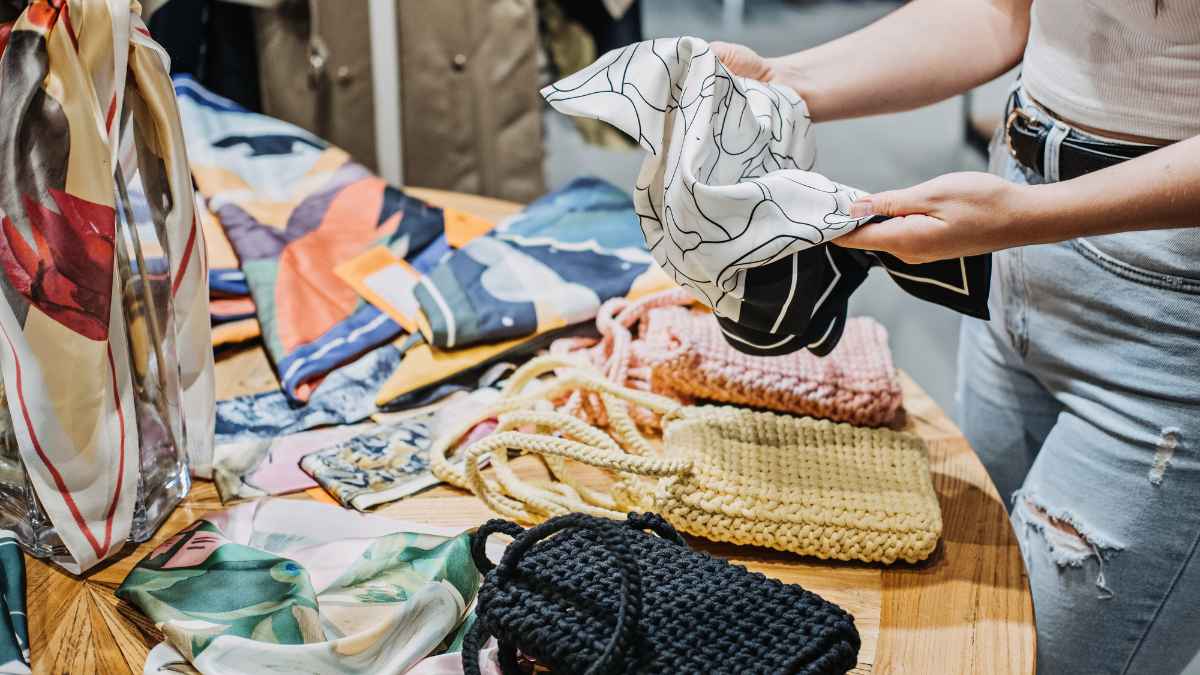
Quick answer: Charity shops help tackle fast fashion by keeping wearable clothes in circulation, offering affordable alternatives to new purchases and raising money for charitable work. The greatest benefit comes when a second-hand purchase replaces something new and is worn regularly.
A good winter coat does not stop being useful because its first owner no longer wants it. Neither does a well-made dress, a pair of boots or a shirt that needs a small repair. Charity shops give these items another opportunity to be worn instead of being forgotten at the back of a wardrobe.
For shoppers, the appeal is practical as well as environmental. Buying second-hand can make a limited clothing budget go further and offer styles that are difficult to find on a conventional high street.
Across Ireland and Northern Ireland, charity retail provides a way to connect those everyday purchases with wider social causes. Oxfam Ireland’s Holywood Superstore is one example of how second-hand shopping can bring together clothing, creativity and charitable fundraising.
How Charity Shops Challenge Fast Fashion
Fast fashion encourages frequent purchases through rapidly changing collections and low headline prices. Clothes can become disposable in people’s minds even when they remain perfectly wearable.
Charity shops offer a different approach. Rather than introducing another collection of newly manufactured garments, they sell items already in circulation.
A donated jacket can become someone’s everyday workwear. An occasion dress can be worn to another wedding. A jumper that no longer fits one person can remain useful to someone else.
This does not remove the environmental impact of making the original garment. It does, however, create an opportunity to get more use from the resources already invested in it.
WRAP’s guidance on clothing reuse and extending garment life identifies keeping clothes in use for longer as an important way to reduce their environmental impact. Replacing a planned new purchase with a suitable second-hand item is therefore more meaningful than simply adding another bargain to an overcrowded wardrobe.
Holywood Superstore Shows What Second-Hand Retail Can Offer
Oxfam Ireland’s Holywood Superstore demonstrates the range that charity retail can provide. The organisation describes the store as a 7,000-square-foot space, substantially larger than a typical Oxfam shop.
However, size alone is not what makes the example interesting. The store has also been used to present second-hand clothing creatively.
Oxfam’s “From Ragbag to Remarkable” exhibition brought together selected second-hand finds and handmade pieces created from reclaimed textiles. It showed how materials and garments can be reconsidered rather than immediately replaced.
That approach challenges the idea that charity shopping is only about making do. It can also involve choosing a distinctive fabric, finding a cut that suits you or discovering a piece worth altering.
Readers interested in the organisations and retail activity behind these changes can explore more of Lost Society’s Irish business coverage.
Sustainable Style Starts With What You Will Actually Wear
Buying second-hand does not require a particular look. Some shoppers prefer vintage clothing; others want straightforward office wear, children’s clothes or a replacement for an everyday essential.
The most useful question is whether the item will become part of your normal wardrobe.
Before buying, consider:
- Does it fit comfortably when you sit, walk and move?
- Can you wear it with clothes you already own?
- Is it suitable for your work, routine or upcoming occasion?
- Does it need a repair, and will you realistically complete it?
- Are the washing and care requirements manageable?
A low price can make an unnecessary purchase feel harmless. Yet a garment that stays unworn has not solved a clothing need, however little it cost.
A simple shopping list can help. Looking for a warm cardigan or a pair of work trousers gives a visit some direction while still leaving room for an unexpected find.
Finding Quality Beyond the Brand Label
A recognisable label can be appealing, but condition and construction deserve more attention.
Check seams, underarms, cuffs and pocket edges for wear. Test zips and fastenings, look for missing buttons and inspect the fabric in good light.
Small issues are not always a reason to leave something behind. A loose button or an open seam may be easy to repair. Extensive damage, an uncomfortable fit or difficult cleaning requirements can make an apparently inexpensive item less practical.
Read the care label too. A garment that needs specialist cleaning may cost more to maintain than expected.
The aim is to find something useful and durable. An unbranded coat in excellent condition may be a better purchase than a designer item that needs substantial work.
Occasionwear Does Not Have to Be Worn Just Once
Weddings, parties and festive events can create pressure to buy a different outfit every time. Charity shops provide another option, especially for shoppers willing to plan ahead.
A second-hand dress, blazer or evening bag can form the basis of an outfit without requiring every piece to be newly purchased.
It also helps to choose clothing that works beyond one event. A jacket that can be worn to dinner and to work is likely to receive more use than something bought for a single photograph.
Before shopping, look through what you already have. A repair, different shoes or a borrowed accessory may be enough to make an existing outfit suitable.
Second-hand shopping works best alongside rewearing, borrowing and caring for clothes, rather than replacing those habits.
How Purchases Support Charitable Work
Charity retail connects donated goods with fundraising. Shops sell suitable items to help generate income for the organisation’s work, while also covering the costs involved in operating the retail network.
Oxfam Ireland explains that purchases and donations through its shops help raise funds for its work, including support for people facing the effects of the climate crisis.
Different charities support different causes. Shoppers can check an organisation’s website and annual reporting to understand its activities and how it describes the role of retail income.
That gives a second-hand purchase an additional purpose. A useful item finds another owner, while the transaction contributes to the charity’s fundraising.
Donating Clothes Responsibly
Charity shops depend on donations they can reasonably sort, handle and sell. Clearing a wardrobe is helpful when the condition of the items matches what the shop accepts.
Before donating:
- Check the shop’s current donation guidance.
- Make sure clothing is clean and dry.
- Empty pockets and check bags carefully.
- Keep paired items together.
- Ask before bringing large quantities or unusual items.
Avoid assuming that every shop accepts damaged textiles. Some may have arrangements for particular materials, while others may be unable to handle them.
If clothing is unsuitable for reuse, check local textile collection guidance. Leaving bags outside a closed shop can expose donations to rain and make otherwise useful items unsellable.
Charity Shopping Is Part of a Wider Change
Charity shops provide a practical alternative to buying new, but they cannot solve clothing waste alone.
Their contribution is strongest when shoppers buy thoughtfully, keep garments in use and donate responsibly. Retailers and manufacturers also have a role in making clothes that last and providing clearer information about their products.
For an individual shopper, the starting point can be modest: wear an existing outfit again, mend something useful or check a charity shop before buying a replacement.
These decisions do not require a completely new wardrobe. They make better use of the one that already exists.
For more stories about everyday life, communities and organisations across Ireland, visit Lost Society.
Frequently Asked Questions
How do charity shops help tackle fast fashion?
They provide a route for wearable clothing to be sold and used again. When a second-hand purchase replaces a new purchase, it can help reduce demand for newly manufactured clothing.
Is buying second-hand always sustainable?
The benefit depends on how you shop and use the item. Buying clothes you need and wear regularly is more useful than repeatedly buying second-hand pieces that remain unworn.
Can you find good-quality clothes in charity shops?
Yes, although stock and condition vary. Check fabric, stitching, fastenings, fit and care requirements rather than relying only on the brand.
What clothes should I donate?
Donate clean, dry clothing in a condition accepted by the shop. Check its guidance before bringing damaged items, large quantities or specialist garments.
Do charity shops accept worn-out textiles?
Some may accept particular textiles through separate arrangements, but policies vary. Contact the shop first and use an appropriate local collection service where necessary.
How does shopping at a charity shop support its cause?
Sales help generate funds for the charity alongside the costs of running its shops. The organisation’s website and annual reports can explain its work and finances.
8 Comments
💲 You have ONE MESSAGE(S) #J6117 READ – graph.org/BITCOIN-MINING-08-19?hs=752f893252a872704169d508a73b1409& 💲
Zůstavèvon je moderní platforma zaměřená na analýzu finančních trhů, kryptoměn a využití nástrojů založených na umělé inteligenci pro podporu informovanějšího obchodního rozhodování.
Zůstavèvon je moderní platforma zaměřená na analýzu finančních trhů, kryptoměn a využití nástrojů založených na umělé inteligenci pro podporu informovanějšího obchodního rozhodování.
There are definitely plenty of details like that to take into consideration. That is a great point to carry up. I provide the thoughts above as basic inspiration but clearly there are questions just like the one you deliver up the place a very powerful factor shall be working in honest good faith. I don?t know if best practices have emerged round things like that, however I am sure that your job is clearly identified as a good game. Each girls and boys feel the impression of just a moment’s pleasure, for the remainder of their lives.
As a Newbie, I am permanently browsing online for articles that can benefit me. Thank you
Greetings! Very helpful advice on this article! It is the little changes that make the biggest changes. Thanks a lot for sharing!
I don’t even know how I ended up here, but I thought this post was great. I do not know who you are but definitely you are going to a famous blogger if you aren’t already 😉 Cheers!
Nice read, I just passed this onto a colleague who was doing some research on that. And he just bought me lunch because I found it for him smile Therefore let me rephrase that: Thank you for lunch!