

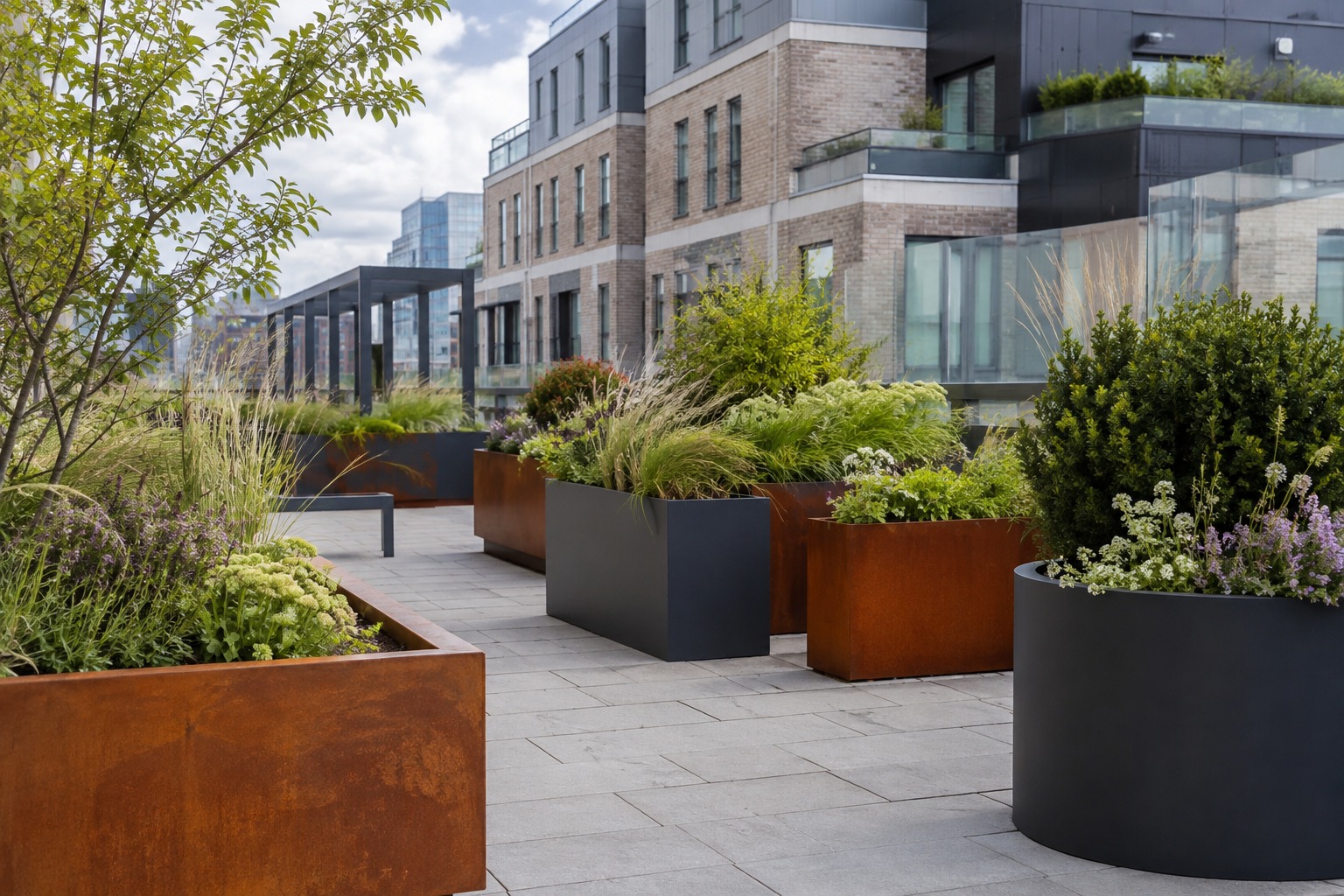
Cities across Ireland and Europe are undergoing a quiet transformation. Rooftops, pavements, courtyards, and forgotten corners are slowly turning green, not through massive municipal investment, but through smart, affordable choices made by individuals, businesses, and community groups. As August 2026 draws to a close and the last warmth of summer lingers in urban spaces, more people than ever are asking how they can bring lasting greenery into concrete environments without draining their budgets. The answer, more often than not, starts with the right container.
Why cities are going green without going broke
Urban greening has shifted from a luxury trend to a genuine urban planning priority. Municipalities are increasingly encouraging residents and commercial tenants to take greening into their own hands, particularly in dense city areas where planting ground is scarce. The shift is partly driven by climate awareness and partly by hard evidence showing that green spaces reduce urban heat, improve mental wellbeing, and increase property appeal. What is interesting, however, is that the most impactful greening projects are rarely the most expensive ones. Community-driven initiatives in Dublin, Cork, and Belfast have demonstrated that a handful of well-placed, durable containers filled with seasonal planting can transform an entire streetfront for a fraction of the cost of a landscaped garden.
The material choice that changes everything
When people think about budget-friendly urban greening, plastic containers often come to mind first. But here is the counterintuitive truth: cheaper upfront does not mean more affordable over time. Plastic degrades under UV exposure, cracks in frost, and often ends up in landfill within a few years. Metal, particularly Corten and powder-coated steel, offers a completely different equation. A well-made steel planter withstands rain, wind, and temperature swings without losing structural integrity. Over a five to ten year period, the cost per year of a durable metal container is significantly lower than repeatedly replacing plastic alternatives. This is the kind of long-term thinking that makes urban greening financially sustainable rather than a one-off seasonal gesture.
What makes steel the smart urban choice
Beyond durability, steel offers something that plastic and terracotta simply cannot: visual weight and permanence. In urban environments, planters are not just about the plants they hold. They define space, create boundaries, soften hard surfaces, and communicate intention. A well-designed steel planter signals that a space is cared for and considered. This matters on a commercial street, outside a community centre, or along a cycling route. Cities respond to permanence differently than to temporary decoration. Steel also ages with character, particularly Corten varieties that develop a natural patina over time, which means the aesthetic actually improves rather than deteriorating as years pass.
Greening small spaces with maximum impact
One of the most underexplored opportunities in urban greening is the use of modular or varied-size containers to create layered planting arrangements in tight spaces. A narrow alleyway, a building entrance, or a rooftop terrace can be transformed by combining tall cylindrical planters with lower rectangular ones, creating visual depth without requiring any groundwork. Native Irish grasses, flowering perennials, and low-maintenance evergreen shrubs work exceptionally well in this kind of arrangement because they provide year-round structure with minimal intervention. The key is choosing containers that can support the root systems of more substantial planting without being so heavy that relocation becomes impossible. This flexibility is especially valuable in city environments where spaces are repurposed regularly.
Practical tips for a greener urban space on a budget
Choosing the right plants is as important as choosing the right container. For late summer and autumn planting, sedums, ornamental grasses, and hardy ferns transition beautifully into the cooler months without requiring replacement. Grouping containers together creates a micro-climate effect that retains moisture and reduces watering frequency, which is especially useful in exposed urban spots. It is also worth considering drainage carefully. Containers without proper drainage holes can cause root rot, which defeats the entire investment. Look for planters designed with drainage in mind, and use quality compost blended with perlite to ensure good water movement through the growing medium throughout the wetter Irish seasons ahead.
Invest once, benefit for years
The economics of urban greening become far more compelling when viewed through a multi-year lens. A collection of quality steel planters purchased thoughtfully can serve a space for a decade or more, requiring nothing beyond occasional cleaning and replanting each season. This stands in stark contrast to annual purchases of disposable containers that ultimately cost more, look worse, and contribute to waste. For businesses, community organisations, and private residents alike, the calculation is straightforward. Spending a little more at the outset on materials that last means spending far less over the life of the project. The team at mysteel.ie understands this approach and offers a range of options suited to different spatial and budgetary needs across Irish urban environments.
Ready to rethink your outdoor space?
Urban greening does not require a large budget, a professional landscaper, or a generous plot of land. It requires the right mindset, a considered choice of materials, and plants that suit the Irish climate. Whether you are greening a city terrace, a business entrance, or a shared courtyard, starting with a durable, well-designed container is the foundation that makes everything else work. If you are ready to make your outdoor space work harder and look better for years to come, explore what is possible and take the first step this season while the summer planting window is still open.