

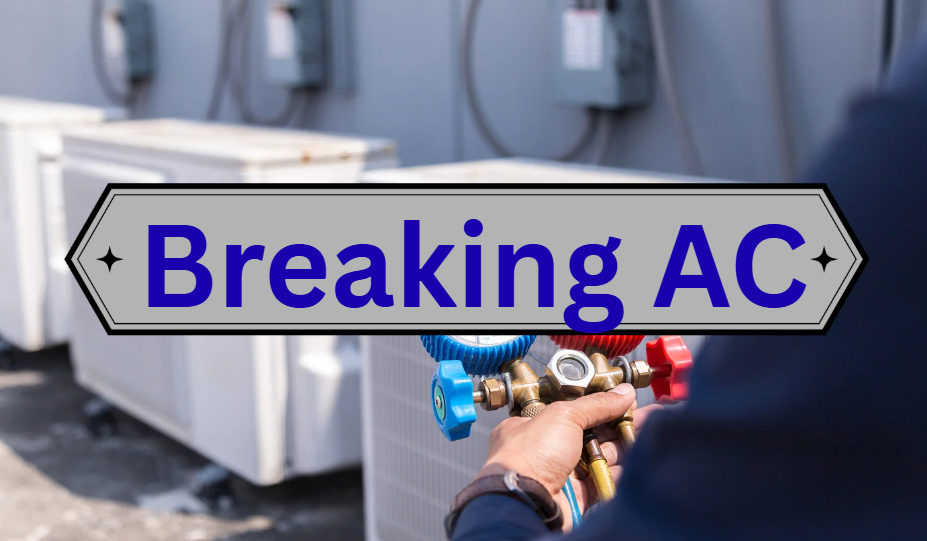
Breaking AC: Everything You Need to Know About Air Conditioner Problems
Air conditioners are one of the most important appliances in homes and offices. They keep the air cool, fresh, and comfortable, especially during the hot summer months. But sometimes, things can go wrong—your AC might stop cooling, make strange noises, or even stop working completely. This is what people often call a “Breaking AC” situation.
In this article, we will talk about what breaking AC means, what causes it, how to fix it, and how to prevent it in the future. We’ll also answer some common FAQs at the end.
Also Read : Crypto30x
1. What Does “Breaking AC” Mean?
“Breaking AC” simply means that your air conditioner has stopped working properly. It might not cool the room, it could leak water, or it may not turn on at all. These problems can happen because of many different reasons—from small technical issues to major system failures.
When your AC “breaks,” it doesn’t always mean it’s completely dead. Sometimes, a simple repair or cleaning can bring it back to life.
2. Common Signs Your AC Is Breaking
Before your AC completely stops working, it usually gives a few warning signs. Knowing these signs can help you fix the issue early.
2.1 Weak Cooling
If your AC is running but not cooling as well as before, it could mean there’s low refrigerant, a dirty filter, or a blocked coil.
2.2 Strange Noises
Hearing loud buzzing, rattling, or grinding sounds means some parts inside your AC are loose or damaged.
2.3 Water Leaks
If you notice water leaking from your indoor unit, it could be due to clogged drainage pipes or ice buildup.
2.4 Bad Smell
A burning or musty smell means there could be mold, electrical issues, or a burnt-out wire inside your AC.
2.5 High Energy Bills
If your electricity bill goes up even when you use the AC the same way, it means your AC is working harder than it should—a sign that something is wrong.
3. Reasons Why an AC Breaks
Let’s look at some of the main reasons that cause air conditioners to break.
3.1 Poor Maintenance
Skipping regular cleaning and servicing can lead to dust buildup, blocked filters, and reduced efficiency.
3.2 Refrigerant Leaks
Refrigerant (the gas that helps cool the air) may leak over time, reducing cooling power and harming the compressor.
3.3 Faulty Thermostat
A broken thermostat might send the wrong signal to the system, making your AC turn on and off at the wrong times.
3.4 Electrical Issues
Faulty wiring or power surges can cause short circuits or even damage the compressor.
3.5 Overuse and Age
If your AC has been working for more than 8–10 years without proper maintenance, parts naturally wear out.
4. How to Fix a Breaking AC
Here are a few easy steps you can try before calling a professional:
4.1 Clean or Replace Filters
Dirty filters block airflow and reduce cooling. Clean them every two weeks or replace them if they are old.
4.2 Check the Thermostat
Make sure your thermostat is set correctly and working. Sometimes, changing the batteries can fix small issues.
4.3 Inspect the Circuit Breaker
If your AC isn’t turning on, check your home’s circuit breaker to see if it has tripped.
4.4 Clear the Drain Line
Use a vacuum or wire to unclog any blockage in the drainpipeto stop water leakage.
4.5 Call a Technician
If these steps don’t work, call an HVAC technician. They can check the refrigerant level, compressor, and internal parts safely.
5. How to Prevent Your AC from Breaking
Prevention is better than cure. Here are some simple tips to keep your AC running smoothly for years.
5.1 Regular Servicing
Schedule professional maintenance at least once or twice a year. This helps detect small problems early.
5.2 Clean Outdoor Unit
Dust and leaves can block your outdoor AC unit. Clean the area around it regularly.
5.3 Use a Surge Protector
Power surges can damage your AC’s electrical parts. Use a surge protector for safety.
5.4 Don’t Overwork It
Avoid setting your AC at extremely low temperatures for long hours. It stresses the compressor.
5.5 Proper Ventilation
Keep doors and windows closed while the AC is running to maintain consistent cooling.
6. When to Replace Your AC
Sometimes, repairing is not enough. If your AC is more than 10 years old, keeps breaking, or consumes too much electricity, it’s time to consider buying a new one. Modern ACs are energy-efficient, quieter, and eco-friendly.
7. Importance of Regular AC Care
A well-maintained air conditioner:
- Cools your room faster
- Saves electricity
- Reduces repair costs
- Lasts longer
- Improves indoor air quality
So, taking care of your AC is not just about comfort—it’s also about saving money and protecting your health.
8. FAQs
Q1. Why did my AC stop cooling suddenly?
It may be due to low refrigerant, a dirty filter, or a faulty compressor. Try cleaning the filters first, and if the problem continues, call a technician.
Q2. How often should I clean my AC filters?
You should clean your filters every two weeks and replace them every 3–6 months, depending on usage.
Q3. Can I repair a leaking AC myself?
Small drainage leaks can be fixed by cleaning the pipe, but if refrigerant is leaking, don’t try to fix it yourself—call a professional.
Q4. How long does a normal AC last?
With proper care, an AC can last between 10 and 15 years.
Q5. What temperature is best for energy saving?
Set your AC to 24°C (75°F). It provides comfort and saves power at the same time.
9. Final Thoughts
A breaking AC can be stressful, especially in the middle of summer. But the good news is that most problems are preventable with regular cleaning and maintenance. Always pay attention to early warning signs—like weak cooling or strange sounds—and fix them before they turn into major repairs.